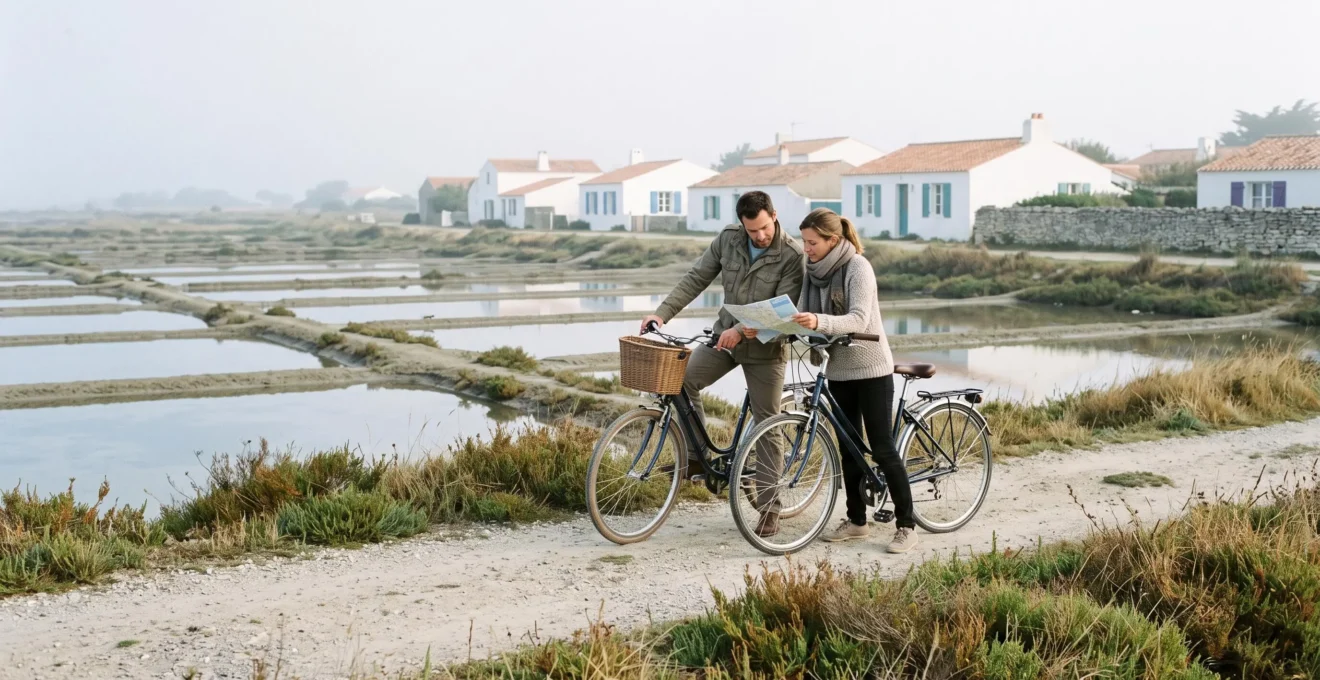
If you are asking how many days in Île de Ré you really need, the reassuring answer is: you can see the essentials without overplanning.
Direct answer: 2 to 3 days is enough to explore Île de Ré’s main villages and landscapes at a comfortable pace; 3 to 4 days makes it feel relaxed; a week suits slow travel, beach time, and repeating your favourite spots without rushing.
The island is compact, and a lot of your rhythm will be shaped by cycling, the season (crowds and opening patterns), and what you care about most—harbours and villages, beaches, salt marshes, or simply slowing down.
Choose your ideal stay length in 30 seconds
- 2 days: must-see villages and classic scenery, best for a weekend.
- 3 days: add unhurried cycling, markets, and longer beach breaks.
- 4+ days: enjoy repeats (sunset harbours, favourite beaches) without feeling you are “missing” anything.
- Peak summer: plan fewer moves per day to avoid parking and crowd friction.
- No car? Still realistic—pick one base and build day loops by bike.
How Many Days Do You Need to Explore Île de Ré?
Plan on 2 days if your priority is “see the highlights and leave with a clear impression.” Choose 3 to 4 days if you want the same essentials with breathing room (long lunches, slower cycling, spontaneous stops). A full week makes sense if you want beach time every day and the freedom to revisit places rather than ticking boxes.
A big reason short stays work well here is the island’s cycling culture. The réseau cyclable de l’île de Ré is described by the local intermunicipal authority (Communauté de communes de l’île de Ré) as totalling about 138 km, linking the different villages—practical if you want to move without constantly relocating accommodation.
Typical decision: if you are coming for a weekend, keep your plan tight and geographically coherent (one “main hub” plus a couple of nearby villages). If you are travelling as a family for a longer break, you can keep the same base and rotate beaches, markets, and easy rides so days do not feel repetitive.
| Time available | Best for | What to prioritise |
|---|---|---|
| 2 days | Weekend trip, first-time visit | One main village base + 1–2 additional areas, one longer ride, one beach slot |
| 3–4 days | Relaxed discovery | Add markets, longer coastal stops, and time for slower village wandering |
| 7 days | Slow pace, repeat moments | Beach routine, gentle cycling loops, “do it again” freedom without rushing |
A quick reality check for short stays: If you try to “do every village” in 48 hours, you will spend more time locking bikes, parking, and backtracking than actually enjoying the island.
What Shapes the Ideal Length of Your Stay?
The ideal length is less about kilometres and more about friction: crowds, parking, and how often you want to change location in a day. Two travellers can follow the same route on paper and have very different days depending on season and pace.
Does the season change how many days you need?
Yes—because season changes how much you can fit comfortably into one day. In peak summer, the time cost of parking, busier cycling paths, and queues for popular spots can make a “packed” 2-day plan feel stressful. In quieter months, you can cover similar highlights with less waiting and less logistical overhead.
How you arrive matters more than most people expect
If you come by car, you will cross the bridge—and that has both a practical and budget impact. According to the Département de la Charente-Maritime, the péage du pont de l’île de Ré varies by season and vehicle class (for a standard light vehicle, the published 2025 prices show different levels depending on the period). This does not dictate your stay length, but it can influence whether you prefer a shorter “weekend” format or a longer stay that amortises the access cost.
Cycling sets your daily rhythm
Île de Ré is one of those places where your day naturally becomes a series of small stages: ride, stop in a village, ride again, beach break, then back. For planning, it helps to use official distance and time guidance rather than guessing; the Office de Tourisme Destination Île de Ré notes that it provides a carte officielle des pistes cyclables with “a table of distances between villages with average journey times,” which is exactly what you need to avoid overstuffing a day.
Your interests decide what “enough” means
If your must-haves are Saint-Martin-de-Ré’s atmosphere and a couple of classic coastal landscapes, 2 days is often enough. If you want long beach sessions, multiple markets, nature breaks near marshes, and time to photograph villages in different light, you will feel better with 3+ days.
- You only have a weekend and want the highlights:
Choose 2 days, sleep in a central spot, and keep your loop tight.
- You dislike rushing and want time for markets + beaches:
Choose 3 days, and plan one “light” day with fewer moves.
- You love cycling and slow travel (or travel with kids):
Choose 4–7 days, keep one base, repeat favourite places without guilt.
A 2-Day Itinerary: The Essentials of Île de Ré
If you only have two days, the goal is not to “collect” villages—it is to avoid zigzags and build two coherent days. A good rule is: one day for a flagship village atmosphere, one day for landscapes (marshes, beaches, long ride).
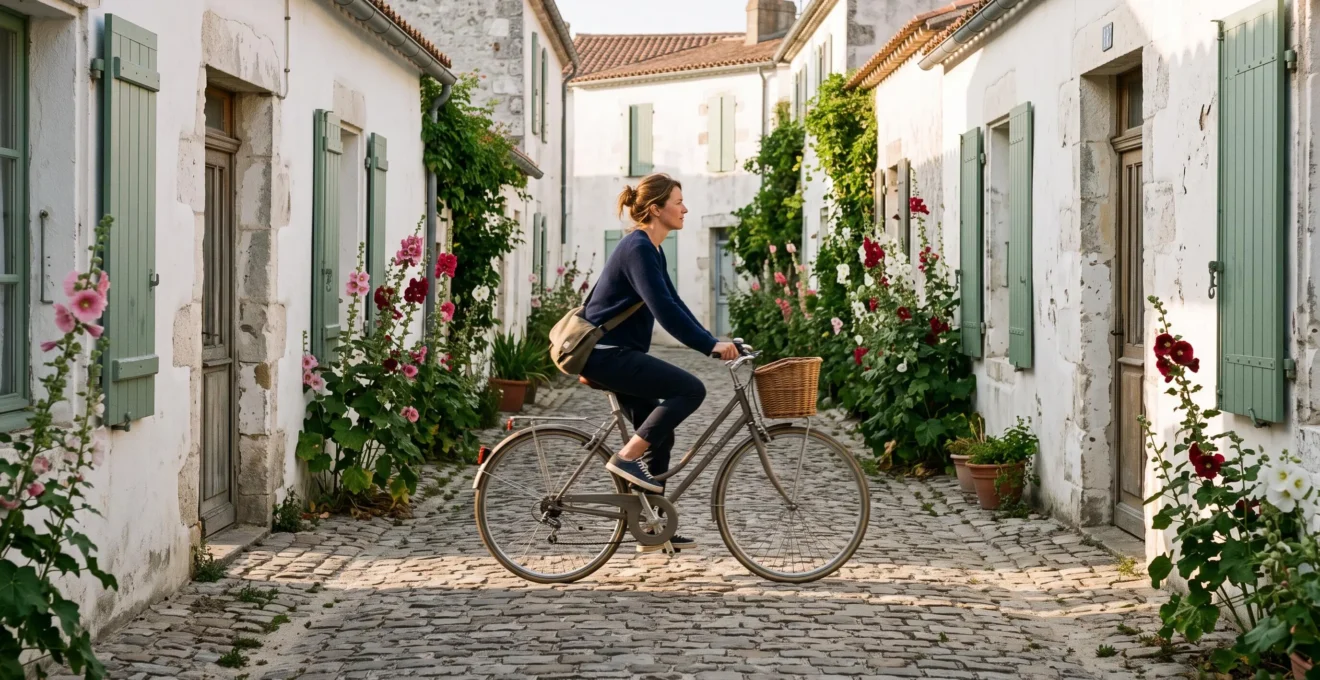
Day 1: Saint-Martin-de-Ré, then a second village nearby
Start with Saint-Martin-de-Ré for its harbour feel, cafés, and walkable old-town atmosphere. Give yourself enough time to wander without a checklist: the point is to let the place “land” rather than rushing to the next stop.
In the afternoon, pick one additional village area in the same general direction (rather than crossing the island twice). Keep stops limited: one beach break or one scenic detour is usually more satisfying than four short photo stops.
Day 2: A longer bike loop + salt marsh scenery + beach time
Use day 2 for the landscapes that make Île de Ré feel like an island: open horizons, marshy areas, and a proper stretch of cycling. The simplest way to keep this realistic is to base your loop on official distance/time guidance rather than estimating on the fly.
Finish with a generous beach slot. Two-day trips often feel “too short” mainly because travellers try to squeeze beach time into 45 minutes; giving it a real block of time makes the stay feel complete.
What to skip when time is tight: anything that forces you to backtrack across the island. A tighter geographic plan will usually deliver a better experience than adding a faraway “extra” just to say you went.
3 Days or More: A Slower Way to Discover the Island
With 3 days, you stop negotiating every choice. You can keep the must-sees from the 2-day plan, then add one day that is deliberately lighter—often the difference between “I saw it” and “I actually enjoyed it.”
What extra days let you add (without repeating yourself)
A longer stay works best when you assign each day a different “feel” rather than a longer checklist: one village-focused day, one landscapes-and-cycling day, one slow food/market/beach day.
If you are worried that more time might become repetitive, plan one “anchor” activity per day and leave the rest flexible. That way, repetition becomes a choice (returning to a favourite harbour at sunset) rather than a lack of ideas.
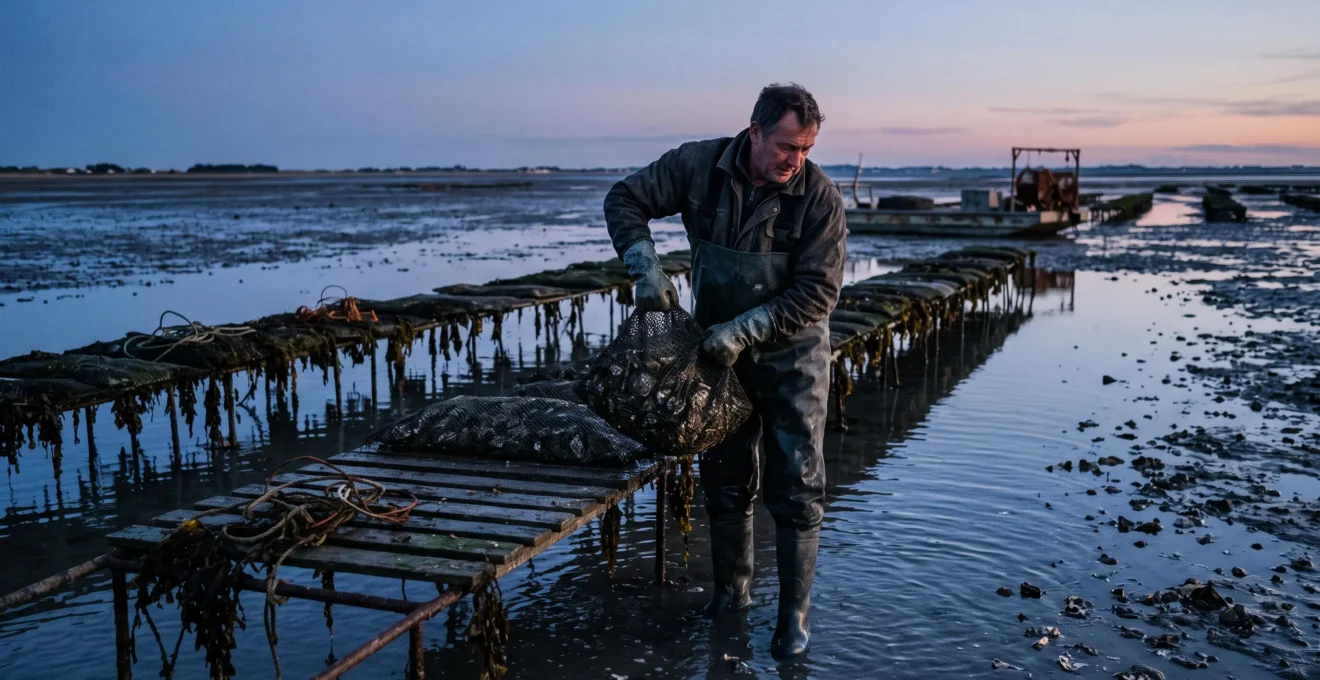
A practical comparison: 2 days vs 4 days
In 2 days, you usually get one main village, one longer ride, and one real beach moment—great, but you will make sharper trade-offs. In 4 days, you can keep those essentials and also:
- Shift one day to “slow mode” (markets, harbour time, reading on the beach).
- Choose longer cycling loops without watching the clock.
- Revisit what you loved (sunrise vs sunset atmosphere can feel like two different places).
Is Île de Ré worth more than a day trip?
For many leisure travellers, yes—because a day trip often becomes a transport-and-parking puzzle with limited time to slow down. If you want to cycle between villages and still have time to sit by the harbour or stay for evening light, an overnight stay (or two) makes the experience noticeably calmer.
Practical Tips to Plan Your Île de Ré Trip
Once you have your number of days, your next two decisions will make or break the feel of the trip: where you sleep (one base vs moving) and how you move (car, bike, or a mix).
Can you visit Île de Ré without a car?
It can be doable, especially if you choose accommodation in (or near) a hub and plan day loops by bike. The island’s cycling network is designed to connect communes, and the local tourist office explicitly provides planning tools (distances and average journey times) to help cyclists build realistic days.
If you go car-free, keep your plan intentionally simple: one base, one main ride per day, and buffers for weather.
What is the best season to visit Île de Ré?
The “best” season depends on your priority. If you want a quieter feel and easier logistics, aim for periods with fewer crowds. If beach weather is your top driver, you may accept that peak times can require more patience for parking and popular spots. Matching the season to your pace is often more important than chasing an ideal forecast.
Where should you stay to avoid wasting time?
For 2 to 3 days, a central base reduces backtracking and keeps evenings easy. For 4+ days, you can either keep one base (simpler) or split the stay—only if you enjoy the feel of “changing chapter” mid-trip.
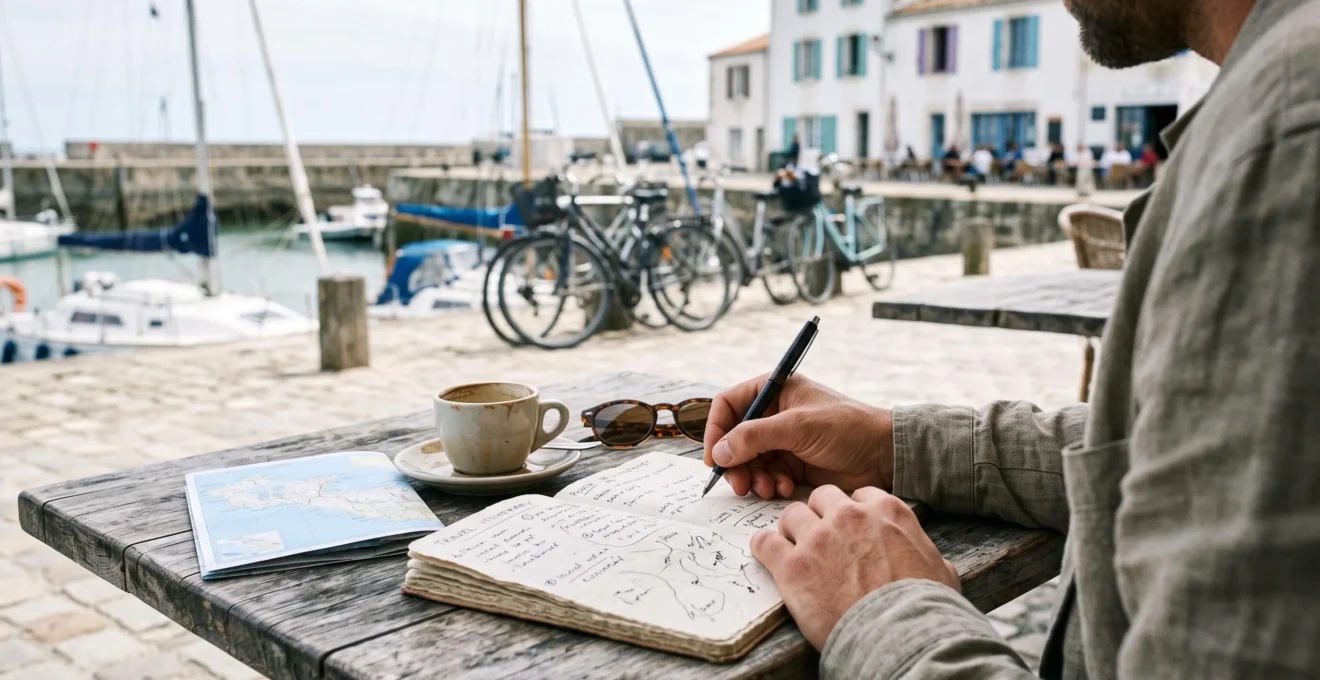
A simple planning process to lock your stay length
- Pick your pace
If you dislike rushing, treat 2 days as “highlights only” and choose 3 days for comfort.
- Choose one base village
It cuts the hidden time cost of packing, check-ins, and backtracking.
- Plan one anchor per day
One main ride, one main village, or one long beach block—then keep the rest flexible.
- Reality-check with official cycling times
Use the tourist office’s distances and average journey times to avoid overloading a day.
Is 2 days enough to see the essentials of Île de Ré?
Yes. With a well-chosen base and a geographically coherent plan, 2 days can cover a flagship village atmosphere (often Saint-Martin-de-Ré), a longer cycling loop, and real beach or marsh scenery. The key is to avoid trying to cross the island multiple times in a day.
What factors determine the ideal length of a stay on Île de Ré?
The main factors are your pace (packed sightseeing vs slow travel), the season (crowds and logistical friction), whether you plan to cycle daily, and your priorities (villages, beaches, markets, nature). Using official cycling distances and average journey times helps keep any itinerary realistic.
Can you visit Île de Ré without a car?
It can be realistic if you plan around cycling and choose one well-located base. The island’s cycling infrastructure is designed to link communes, and the local tourist office provides tools (distances and average journey times) that support car-free itinerary planning.
What is the best season to visit Île de Ré?
The best season depends on your goal: quieter periods tend to feel easier and more relaxed for village hopping, while peak summer is better for a beach-first trip—at the cost of more crowds and logistics. Match the season to your preferred pace.
If you are still hesitating, default to this: 2–3 days is the sweet spot for most first-time visitors wondering “how long should I stay on Île de Ré?”, and 3 days is the safest choice if you want to avoid a rushed feeling.